
Waxing vs. Threading: The Ultimate Comparison for Hair Removal
When it comes to facial hair removal, two ancient techniques continue to dominate modern beauty routines: waxing and threading. Both methods promise smooth, hair-free skin, but they differ significantly in technique, results, and suitability for different skin types. Understanding these differences can help you make the best choice for your needs.
Understanding the Techniques
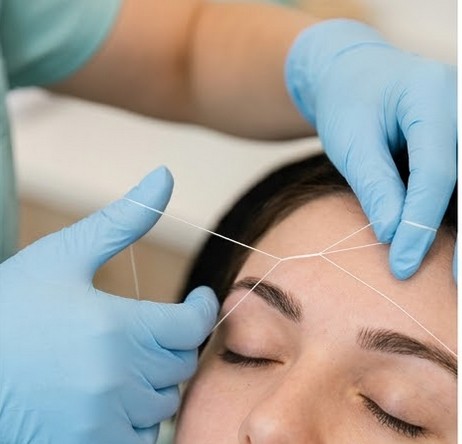
Threading originated in ancient Eastern cultures and involves using twisted cotton or polyester thread to trap and pull out multiple hairs at once. The technician holds one end of the thread in their teeth or hand while maneuvering the other end to create a twisting action that catches unwanted hairs at the follicle level.
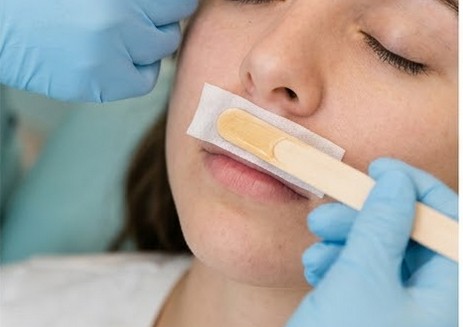
Waxing, another time-tested method, uses either warm or cold wax applied to the skin and then quickly removed, pulling hairs out from the root. There are different types of waxing: soft wax requires cloth strips for removal, while hard wax hardens on the skin and is removed without strips.
Precision and Control
Threading excels in precision work. The thin thread can target individual hairs or small areas with remarkable accuracy, making it the preferred method for defining eyebrow shapes and removing fine facial hair. This precision allows technicians to create clean, sharp lines and perfectly arched brows.
Waxing covers larger areas more quickly, making it efficient for bigger sections like the upper lip, chin, or full face. However, it’s less precise than threading and may occasionally remove more hair than intended, which can be problematic when shaping eyebrows.
Pain and Discomfort
The pain factor is subjective and varies from person to person, but there are general differences between the methods. Threading can feel like multiple small pinches as the thread catches and pulls hair. Some describe it as a scratching or stinging sensation. The good news is that threading doesn’t pull on the skin itself, which can make it more comfortable for some people.
Waxing typically involves a sharp, quick pain as the strip is removed. The sensation is brief but can be more intense than threading. However, many people find that repeated waxing sessions become less painful as hair grows back finer and sparser.
Skin Reactions and Sensitivity
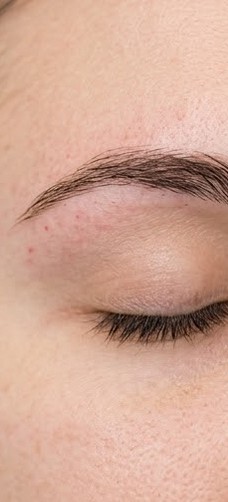
Threading is gentler on the skin because it doesn’t involve any products, heat, or pulling of the skin surface. This makes it ideal for those with sensitive skin, people using retinoids or acne medications, and those who experience reactions to wax or its ingredients. Threading rarely causes redness, and any slight pinkness typically fades within an hour.
Waxing involves more contact with the skin and can cause temporary redness, minor inflammation, or rarely, burns from hot wax. People with very sensitive skin, rosacea, or certain skin conditions should approach waxing with caution. The adhesive nature of wax can also irritate broken or healing skin.
Results and Regrowth
Both methods remove hair from the root, so results last longer than shaving. Threading results typically last between two to five weeks, depending on individual hair growth rates. Hair grows back with a natural taper, not the blunt edge you get from shaving.
Waxing also provides results lasting three to six weeks. Over time, consistent waxing can lead to finer, sparser regrowth as repeated pulling weakens the hair follicle. Some people find that their hair eventually grows back thinner and less noticeable.
Hygiene Considerations
Threading is inherently hygienic when done properly. The thread is disposable and used only once, eliminating concerns about cross-contamination. There’s no risk of double-dipping or bacterial transfer if the technician uses fresh thread for each client.
Waxing requires careful attention to hygiene practices. Technicians should always use new applicators for each client and never double-dip into the wax pot. Reputable salons follow strict sanitation protocols, but it’s important to choose your establishment carefully.
Cost and Convenience
Threading is generally more affordable than waxing, especially for small areas like eyebrows. Sessions are also typically quicker for smaller areas. Most threading appointments for eyebrows take just five to ten minutes.
Waxing tends to cost slightly more, particularly in upscale salons, but the price difference varies by location and establishment. Waxing appointments may take a bit longer as the wax needs to be applied, set, and removed carefully.
Suitability for Different Areas
Threading works exceptionally well for eyebrows, upper lip, chin, sideburns, and forehead. It’s the gold standard for eyebrow shaping due to its precision. However, threading is impractical for large body areas and is primarily a facial hair removal technique.
Waxing is versatile and can be used on virtually any body part, from facial areas to legs, arms, underarms, and the bikini line. For facial hair, waxing is excellent for upper lip, chin, and full-face hair removal.
Which Should You Choose?
Your ideal method depends on several factors. Choose threading if you have sensitive skin, use certain medications like retinoids, want precise eyebrow shaping, have allergies to wax ingredients, or prefer a product-free method.
Opt for waxing if you need to remove hair from larger areas, want slightly longer-lasting results, don’t have skin sensitivities, or find that waxing works well with your skin type. Many people find that a combination approach works best, using threading for eyebrows and waxing for other facial areas.
Tips for Your First Experience
Regardless of which method you choose, research and choose a reputable salon with experienced technicians. Avoid caffeine before your appointment, as it can make skin more sensitive. Make sure the area is clean and free of makeup or lotions. Communicate clearly about your desired shape and any concerns you have.
After treatment, avoid touching the area, skip makeup for a few hours, stay out of direct sunlight, and apply a soothing aloe vera gel if needed.
The Bottom Line
Both threading and waxing are effective hair removal methods with their own strengths. Threading offers unmatched precision and is gentler on sensitive skin, while waxing excels at covering larger areas and may provide slightly longer-lasting results. The best choice ultimately depends on your skin type, hair removal needs, pain tolerance, and personal preferences. Many beauty enthusiasts use both methods strategically, choosing the right technique for each specific area and purpose.